The Grenadier Forum

Register a free account today to become a member! Once signed in, you'll be able to contribute to the community by adding your own topics, posts, and connect with other members through your own private inbox! INEOS Agents, Dealers or Commercial vendors please use the contact us link at the bottom of the page.

Build Thread 8020 DIY

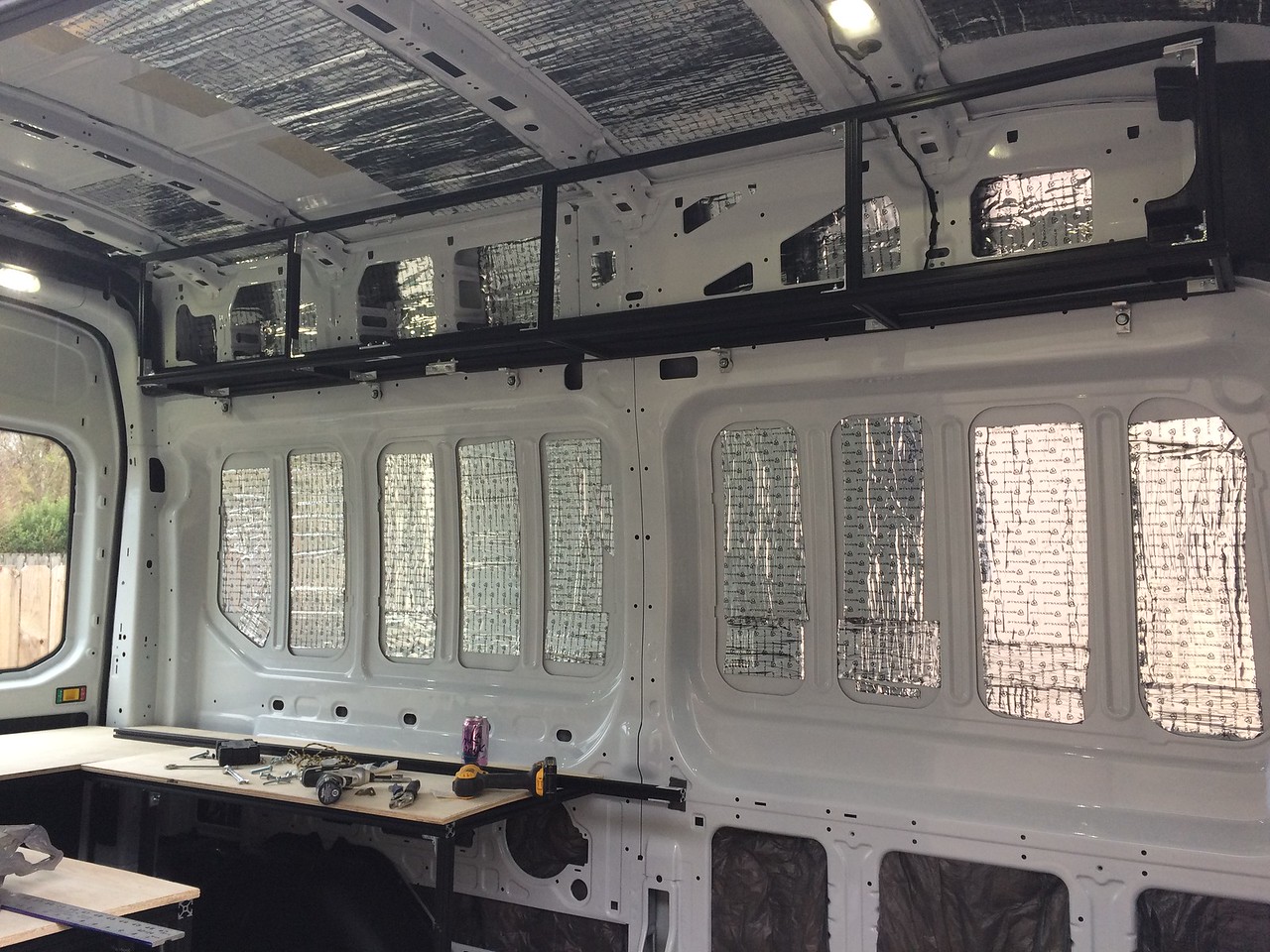
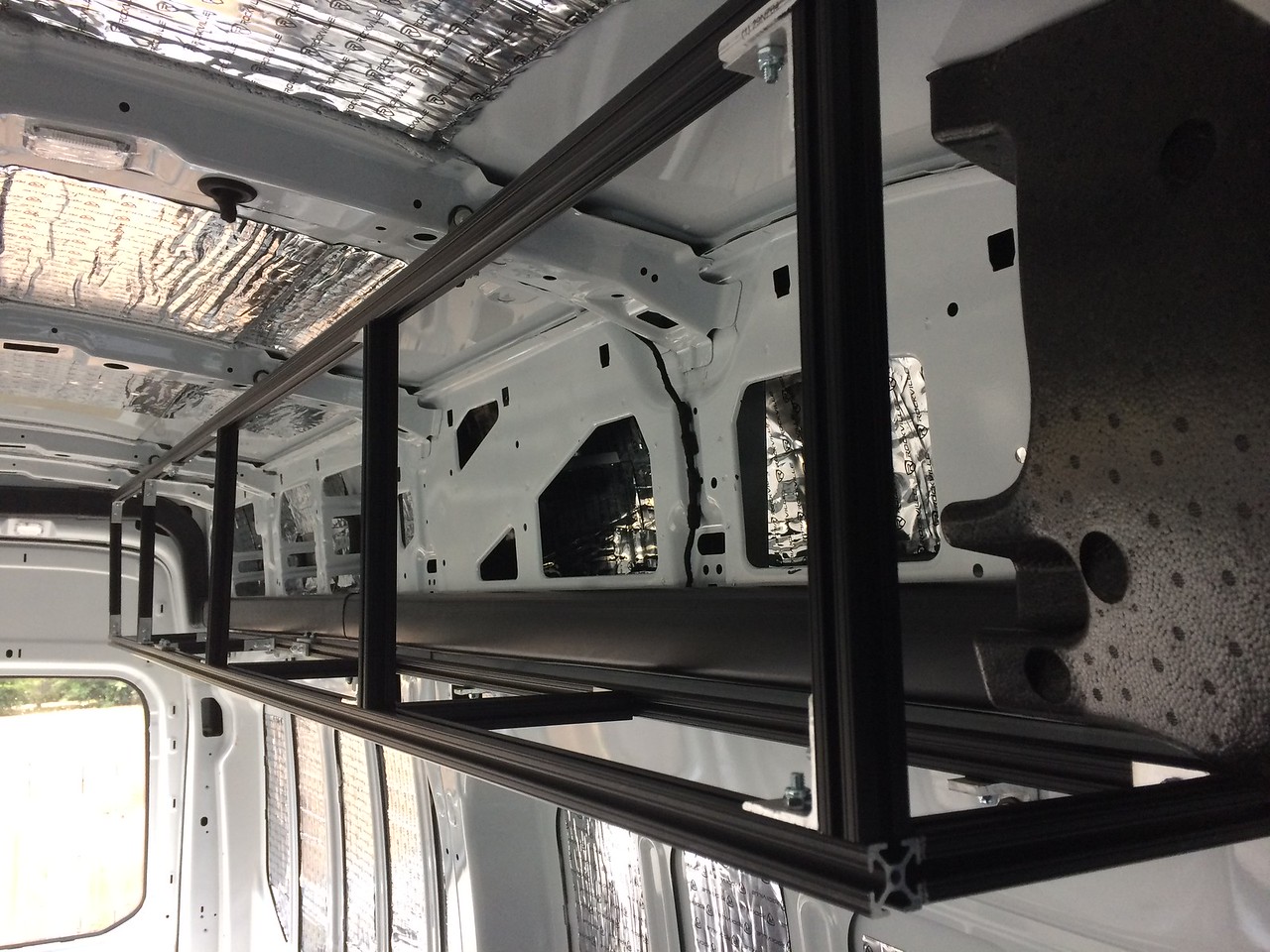
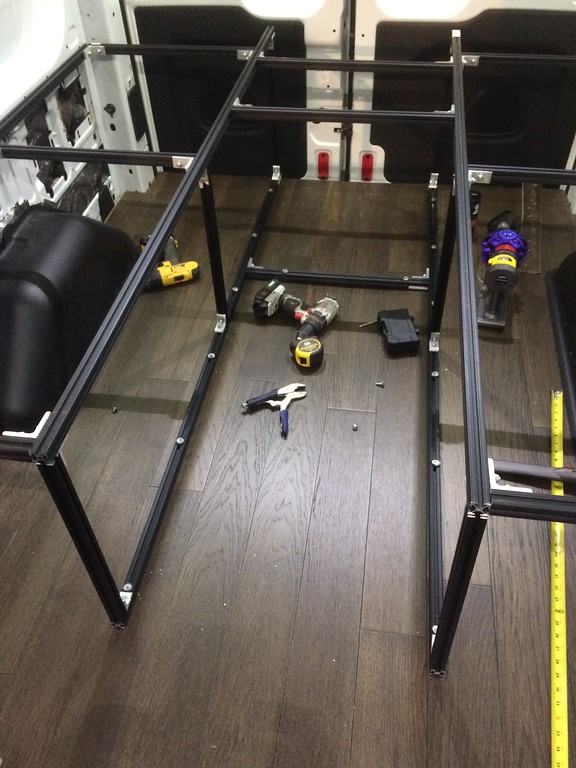
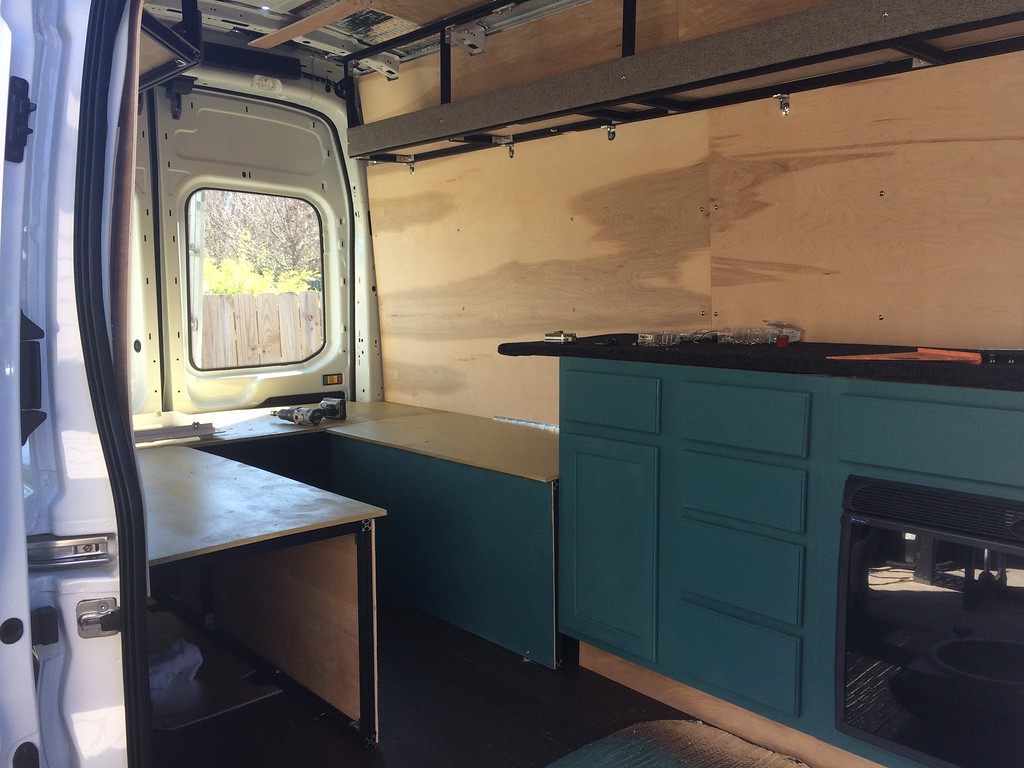
I built a van using 80/20 it was not the best idea because the hardware is ridiculously priced. In my last van build, I used uni-strut (painted with black bed liner)

Van build linky

80/20 Van Build
Nice work. It’s given me some ideas. I’ve never heard of these products. I’d been thinking of using ply with pocket hole joinery. But with this method I build an aluminium frame and use thinner ply for weight saving. Food for thought.
 
I prototyped my platform build using 2020 t-slot.
20240324_180257.jpg

Each upright section was really strong and it was tempting to investigate this option... but ended up going with 20mm shs
20250816_181700.jpg
 
Nice work. I’m not very good as a fabricator welder so I’ll try out the unistrut or t-slot stuff I think.
 
Yeah thin wall is a pain to weld, especially as it has been decades since I was on the tools... hence the thick raptor paint job ;)
 
I built a van using 80/20 it was not the best idea because the hardware is ridiculously priced. In my last van build, I used uni-strut (painted with black bed liner)

Van build linky

80/20 Van Build
Fair enough - it’s just the “system” aspect of it and the one stop shop aspect that caught my attention. That is PURELY because of how lazy and incompetent I am - someone with more ingenuity and initiative could pull stuff together for less.
 
Fair enough - it’s just the “system” aspect of it and the one stop shop aspect that caught my attention. That is PURELY because of how lazy and incompetent I am - someone with more ingenuity and initiative could pull stuff together for less.
That was my thoughts, I am not a carpenter and I have no patience, so the 80/20 would be great. But, when it came time to close the fronts and make drawers, it was very difficult to tie into the rail without using the expensive hardware.
Also, since there is a hollow hole in the center (looking at a cross section on 80/20), one can't simply use a self-tap. It will drill tap the first side of the hole, then when it hits the intercenter of the second side, the screw will snap.

see here the center hole.
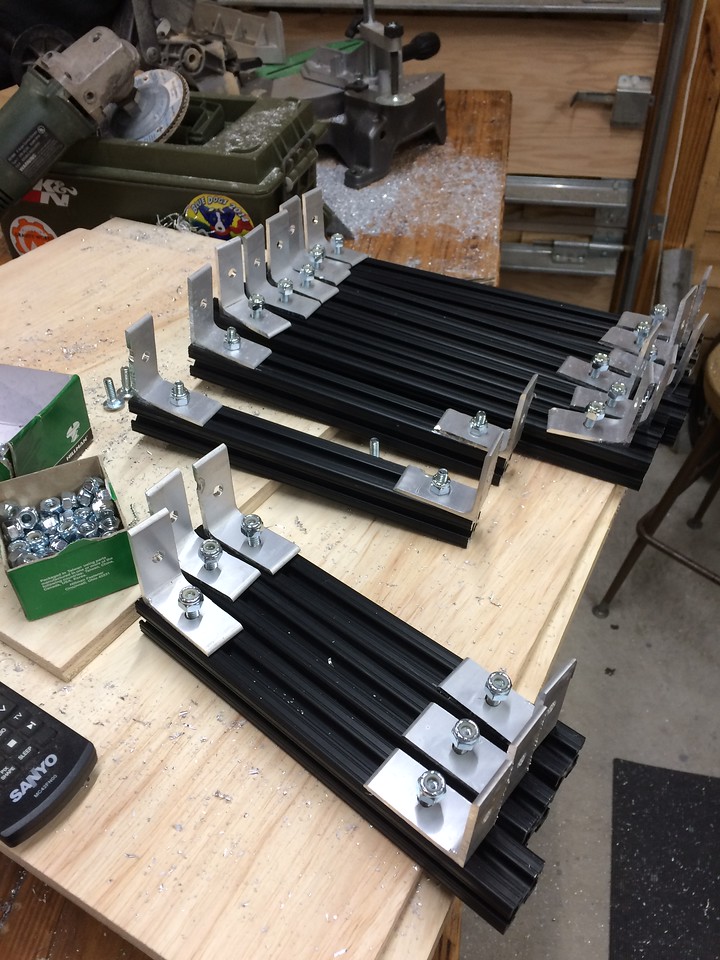
Also note how I simply cut aluminum angle and used 1/4" carriage bolts to build the structure.

IMG_6481-X2.jpg
 
Last edited:
Nice work. It’s given me some ideas. I’ve never heard of these products. I’d been thinking of using ply with pocket hole joinery. But with this method I build an aluminium frame and use thinner ply for weight saving. Food for thought.
There is a Light Ply available. Plenty of suppliers out there. I used it for a fold out bed top (y)

UltraLight Plywood - 40% lighter than your average plywood.

1755486716957.png
UltraLight Plywood
https://ultralightply.com


The perfect mix of hard and softwoods to maximize strength without weight. Lightweight. 40% lighter than regular Baltic Birch plywoods, saving tons on shipping ...
 
That was my thoughts, I am not a carpenter and I have no patience, so the 80/20 would be great. But, when it came time to close the fronts and make drawers, it was very difficult to tie into the rail without using the expensive hardware.
Also, since there is a hollow hole in the center (looking at a cross section on 80/20), one can't simply use a self-tap. It will drill tap the first side of the hole, then when it hits the intercenter of the second side, the screw will snap.

see here the center hole.
Also note how I simply cut aluminum angle and used 1/4" carriage bolts to build the structure.

IMG_6481-X2.jpg
When I read your post, after reading the first bit I thought just use coach bolts. Reading farther that’s exactly what you did. 👌🏼. Save money on expensive fittings. You just call them carriage bolts.
Nice work. Some more pictures for inspiration please.
 
Last edited:
My whole storage system in the Grenadier was 1"x1" 80/20 (well, purchased from Tnutz.com which is the same product, substantially cheaper).... I also built out the entire interior of our Sprinter in 1.5"x1.5"; it's good stuff
 
Here my latest built (looks like a disaster here). I built it all out of Uni-strut. The beauty is that there was no shipping cost involved - it's all available at my local Home Depot.

The upper cabinets are bolted to unistrut rail- It's all built out of strut and 1/2 birch. The old van was 80/20 and thin plywood (I was obsessed with weight)

UniStrut Van Build below....

80/20 Van Below....


75529342844__014BD8CF-5568-438D-844C-X2.jpg

IMG_7772-X2.jpg
 
Last edited:
I prototyped my platform build using 2020 t-slot.
View attachment 7905631
Each upright section was really strong and it was tempting to investigate this option... but ended up going with 20mm shs.....
Found this photo.
Just for reference, each upright was very light. 1605 grams
20240324_180626.jpg
 
Love the Aluminum extrusion construction and that is how I would do it … if I would. Main aim is for least weight, price is another consideration.

I had a drawer system before in my Defender and have looked intensively the last weeks to find a suitable drawer system for the Grenadier. My main problem is that they are A. very expensive and B. are usually around 50 to 70 kg in weight before you add anything into the storage system. So it's absolutely massive how much weight they consume.

The next step was to basically think of building one myself with extrusions and either an aluminium plate or an 18 mm plywood plate on top, which is approximately the same strength. Basically 4-5mm aluminium is equal weight to the plywood plate. So a top plate of plywood would probably be a better sound insulation against sounds coming from the underbody of the vehicle.

So my aim was to fit four Wolfbox Pros (ex Frontrunner, now Dometic) under this, including lid, which would be 23 centimeters high, plus the deck plate, making it 25 centimeters, which is roughly the height you need for a sleeping platform when you fold down the rear seats.

Then I did the math, mainly for weight - I used 25x25 mm extrusions since I think 20mm is a bit soft, but makes not much weight differencee:

Total weight ≈ 42.9 kg
So in practice: around 43 kg for:


  • Aluminum frame (25×25 - 12 kg)
  • 18-mm board (14.4 kg)
  • Carpet on top (1.9 kg)
  • 4 Wolf Pack Pros (14.6 kg)
Without the boxes you would be at approximately:

43 kg − 14.6 kg ≈ 28.5 kg (frame + board + carpet)

So, I think in order to store tools or anything like cooking devices, etc., you need some sort of storage container, which in my case would be the wolf pack pro boxes that slide on the floor of the INEOS Grenadier. I think I don't need a drawer for that because the floor is, I think, polyethylene and should be of very little friction, so I can just pull out the wolf boxes, put them on the floor, and open them.

So that basically gives us that weight that cannot be properly used of 28.5 kilograms. So let's call it 30 kilograms altogether just to have an even platform that enables you to sleep on top of it. I think that's the main point here. Another point would of course be to access your storage without unloading everything on top of it. So that's a valid cause as well.

If we assume that we put into these four wolfpack boxes only stuff that we need for camping and not for a quick stop, let's say we put in the front boxes tools and spare parts and in the rear boxes kitchen utensils and maybe a stove, then we might unload them only when we a.) have to repair the car or b.) set up camp, which is basically once a day. And if I assume that I can live with the fact that I have to unload the stuff on top of them first to access them, then there's basically only one purpose left for the platform and that is sleeping on top of it, having an even surface to sleep on it.

Okay, one we established that, then can I not sleep on top of four wolf boxes? Is it really necessary to have a platform weighing 30 kilograms that is a little bit more even than four wolf boxes?

So then I asked myself what would I need to basically equal out the small gaps between the wolfboxes and the unevenness of their lids. And basically what I come up with is an inflatable camping mattress of a certain thickness that would be able to bridge these small gaps and also would bridge the gap between the wolfboxes and the folded rear seats. So basically a camping mattress that is comfortable and has a certain thickness, maybe seven to eight centimeters thick. And then I had the question, wouldn't I need such a mattress anyways, even with a full deck that weighs 30 kilograms?

The answer to this is yes - i would carry such a mattress anyways.

The idea is to really think about this whole through our system fashion from the root up again, first principle thinking. Because the point is, if you put overlanding vehicles that you see on a way bridge, they are almost all overweight. And what I have learned is that weight is a main problem off-road. And 30 kilograms of weight is quite a lot.

So for the Grenadier, 30 kilograms of weight could add basically 200 to 300 kilometers of range in fuel. It could add 30 liters of water, that means if you calculate this for two persons, quite a number of days that you don't need water. Or it could also mean that you basically can carry 30 kilograms in spare parts and tools, which is also a lot.

So, in the end I will invest a lot of money in parts for this car, but this time go without a drawer system. Weight is not everything, but 30-70 kg of weight less is significant enough...

 
Back
Top Bottom