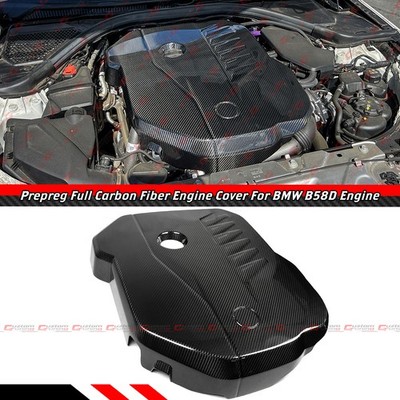
The internet says;
Noise Reduction (Sound Dampening): Modern direct-injection engines are notoriously noisy, producing "ticking" sounds from high-pressure fuel pumps and injectors. The plastic cover, often lined with foam or felt, acts as a sound barrier to muffle these noises.
Protection of Sensitive Electronics: BMW engines are packed with complex wiring, sensors, and ignition coils. The cover protects these from rain, snow, car washes, and dirt, preventing electrical shorts and preventing grime from building up around spark plug wells.
Aesthetics and Branding: When opening the hood, the cover hides the "rats nest" of wires, vacuum lines, and unconventional engine shapes, presenting a clean, branded, and orderly look to the consumer.
Heat Management (Warming/Protection): The cover helps the engine reach its operating temperature faster, which improves fuel efficiency and lowers emissions on short trips. Some covers also protect the underside of the hood from extreme heat, reducing the risk of paint damage.
Pedestrian Protection: In some designs, the cover acts as a secondary barrier, providing a softer landing surface than the hard engine components in the event of a pedestrian impacting the hood.
Heat Retention: Many mechanics and enthusiasts argue that the cover traps heat, potentially accelerating the degradation of plastic gaskets and rubber hoses, which is a known issue for older BMWs.
Rodents: Some owners report that the insulation under the cover makes an attractive nesting place for rodents.
And there you have it. The consolidated knowledge of all the internet geniuses on the planet.