The Grenadier Forum

Register a free account today to become a member! Once signed in, you'll be able to contribute to the community by adding your own topics, posts, and connect with other members through your own private inbox! INEOS Agents, Dealers or Commercial vendors please use the contact us link at the bottom of the page.

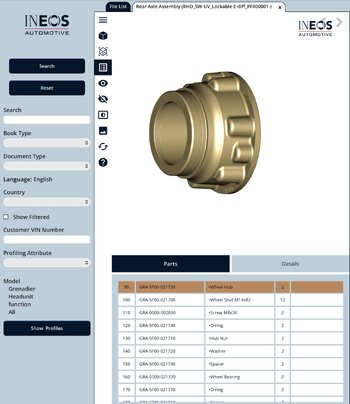
Rear wheel stub unscrewed with wheel nut

Hmmm . . . I think I’ll start using hand tools to loosen the rear wheel nuts when required. The blows of my impact wrench could prematurely loosen the studs over multiple applications. The first time I removed my wheels, I was (happily) surprised to see Ineos applied antiseize to the front and rear wheel studs. That’s probably - in part - intended to help leave the rear wheel studs in place after multiple loosen / tighten cycles.
 
Can the rear's be turned into bolts instead of studs like on BMW's and other rides?
It’s a no from me.

The hub is closed on the back so that’s a problem. And the studs have a 2.0mm thread pitch at the hub end versus 1.5mm at the lug nut end. You could swap the lug nuts out for m14 x 2.0 but they would be rear axle nuts only. Minimum wage holding a rattle gun wouldn’t notice until it was too late.
 

Attachments

  • IMG_0161.jpeg
    IMG_0161.jpeg
    451 KB · Views: 0
"Minimum wage holding a rattle gun" is a no touch my vehicles . . . ever. That's one benefit of having your own tire machine and balancer :)
 
It is common to have threaded studs come lose even with hand tools on applications where there components are regularly removed and replaced on the studs. It pays to check that the studs are fully seated and secure. Maybe using taperlock studs would cause less issues. Depending on the hubs manufacturing method an material changing the studs to fine thread bolts like used on some cars would cause issues further down the track. Cast housings do not work as well with fine threads and regular removal and replacement of fasteners.
 
Back
Top Bottom