The Grenadier Forum

Register a free account today to become a member! Once signed in, you'll be able to contribute to the community by adding your own topics, posts, and connect with other members through your own private inbox! INEOS Agents, Dealers or Commercial vendors please use the contact us link at the bottom of the page.

Choosing an air compressor

Just watched that. Let me know if you find one with a nato plug on it 😁
Owners have made their own NATO cables to run their air compressors:

 
Cannot help for NZ, but the NZ Unimog guys will probably know.

This thread is also helpful for NATO stuff

 
After pondering installing one under the rear seat, then under the front passenger seat, here is the solution I went for: TJM Pro Series Portable Single Compressor. Portable in a relatively compact sturdy case so can leave in Grenadier or move to other vehicles as required. 100% duty cycle with enough grunt for the Grenadier tyres. Comes already fitted with a fused lead and Anderson plug, I purchased a 1m long 50A Anderson plug and lead from Amazon and fitted it to the spare 60A terminal on the busbar (used for the inverter on US models). The lead exits under the edge of the passenger seat, I fitted a waterproof cover and it rests out of way and does not rattle. The power lead on the compressor is long enough to be able to sit it in the rear load area and connect, otherwise you can connect on the passenger side and rest it on the seat or ground.
TJM PSPC 1.jpg

TJM PSPC 2.jpg

TJM PSPC 3.jpg
 
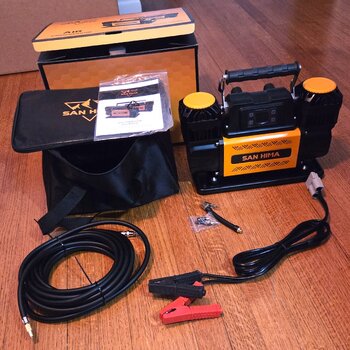
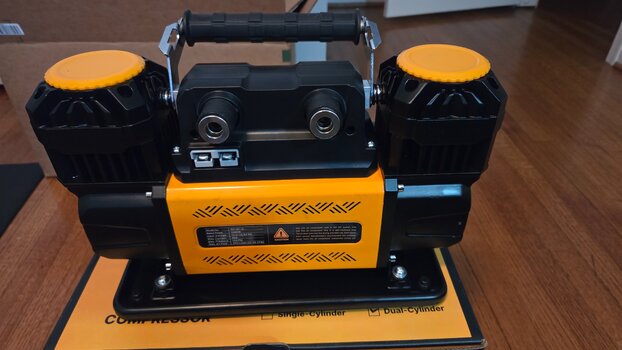
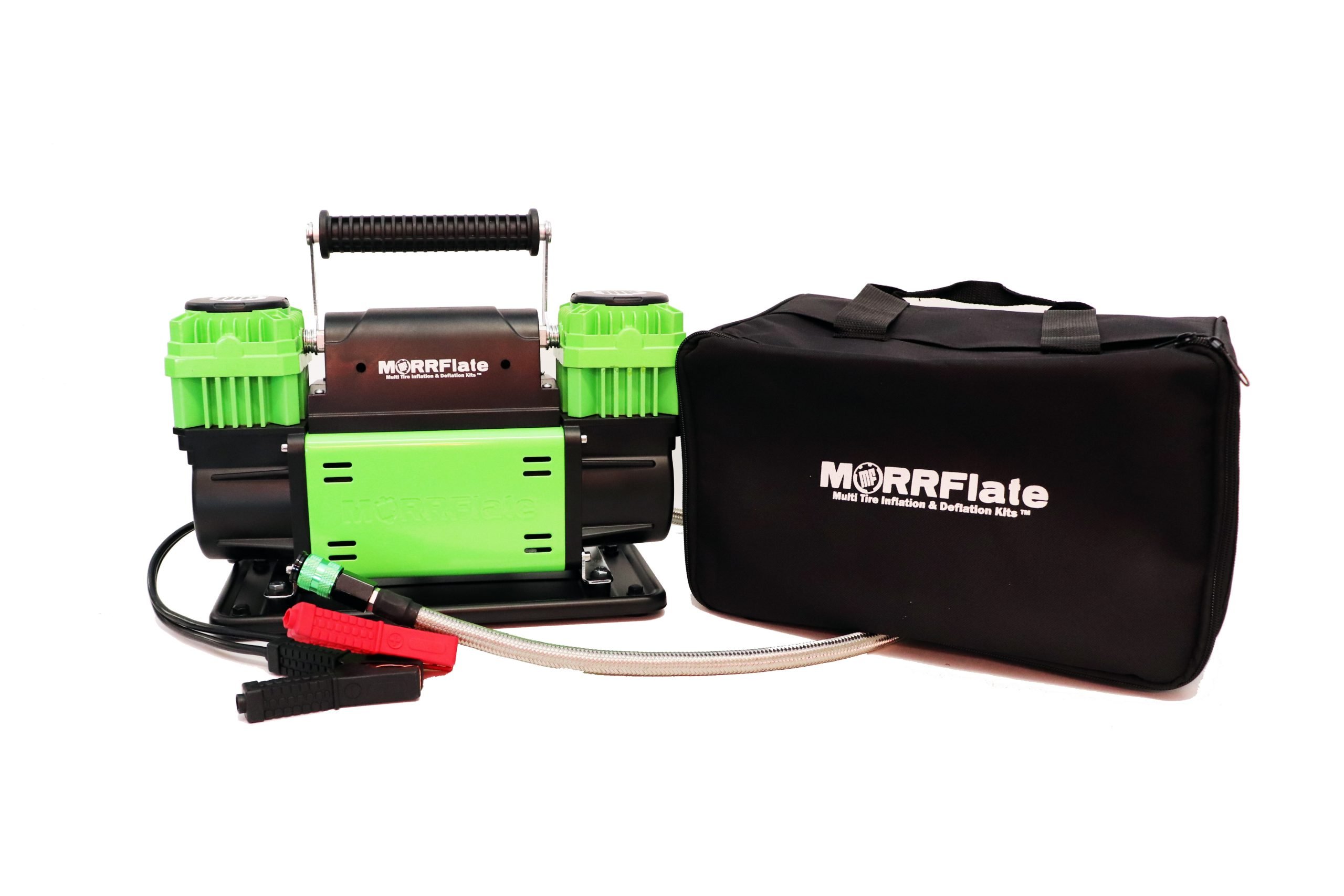
I got a new San Hima 12.36cfm dual compressor air compressor to make myself a 4-tire at once inflation system for my Grenny. I’m going to make a new cable to connect the compressor to the NATO 2-pin plug. That’ll save me from having to raise my hood to connect to the battery because invariably kind heated folks stop (as most good outdoor folks do) to check on me with my hood up. That and I’ve been looking for a chance to use my NATO plug. NATO adapters still in the mail but I did get the compressor and now I have a question on wire size and plug type.

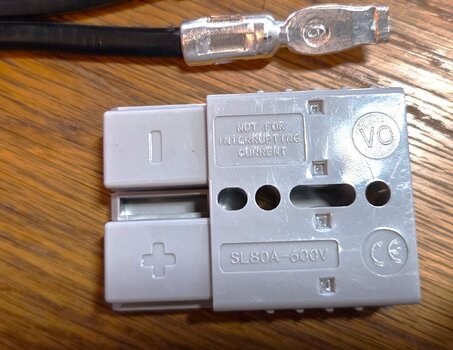
Compressor’s Anderson plug is stamped SL80 NOT SB like all the other Anderson plugs I’m finding on the internet. Terminal inside is still labeled 6 like a true terminal.

Question – has anyone ever seen a SL80 plug before? And is my assumption that the 6 is for 6ga so that’s what I should use for me new extension?
 

Attachments

  • San Hima Dual Compressor.jpg
    San Hima Dual Compressor.jpg
    2.1 MB · Views: 4
  • Anderson Plug on Compressor.jpg
    Anderson Plug on Compressor.jpg
    1.1 MB · Views: 4
  • 20260205_173643.jpg
    20260205_173643.jpg
    2.1 MB · Views: 4
It is an "Anderson style" plug (not a geniune Anderson plug) as you note, so they tend to do whatever they want. It can vary between each brand.

It looks like a standard size 50amp Anderson plug, but the wording denotes a 80 amps rating (the Anderson at this size is only rated at 50 amps) and often fused at 40 amps.

The lug sizing (here stamped as 6) on the lug normally denotes the internal diameter of the of lug and what wire gauge it takes, but those standards apply to genuine Anderson plugs. You can buy genuine Anderson lugs in 3 internal sizes, 6AWG, 8AWG or 10-12AWG. There are 3 internal diameter sizes for genuine Anderson lugs, not one. The external size is the same on all 3. Size 6 is the most common.

The cable size needed is determined by the current draw and cable length. From the Resources links:
23. ELECTRICS/CABLE SIZING: Copper Cable sizing chart and Conversion Table here (if you want to work out what cable to use to power accessories), or download a PDF from BLUE SEA Systems here or use their Circuit Calculator Wizard here;

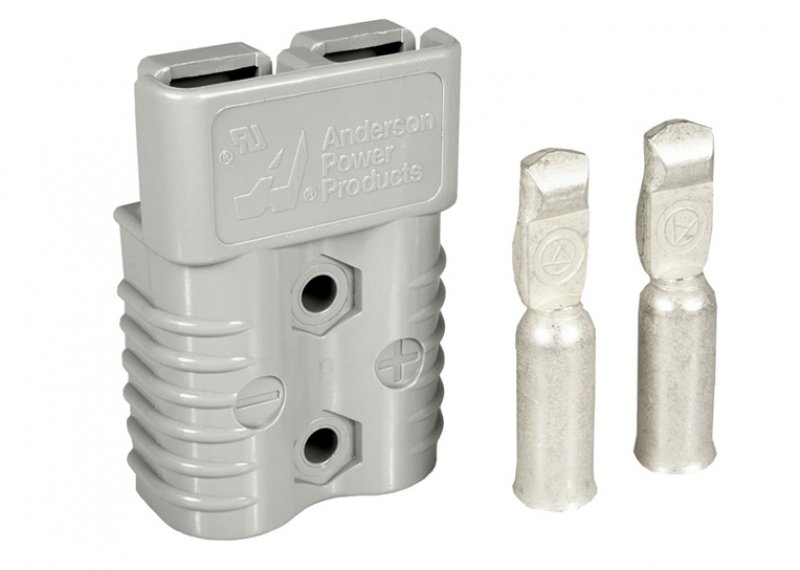
If you want to know more about the vagaries of "Anderson style" plugs and lugs look here:

 
Last edited:
I got this one and it is fantastic!


Along with the Airhub and quad 200” lines.
 
Back
Top Bottom